
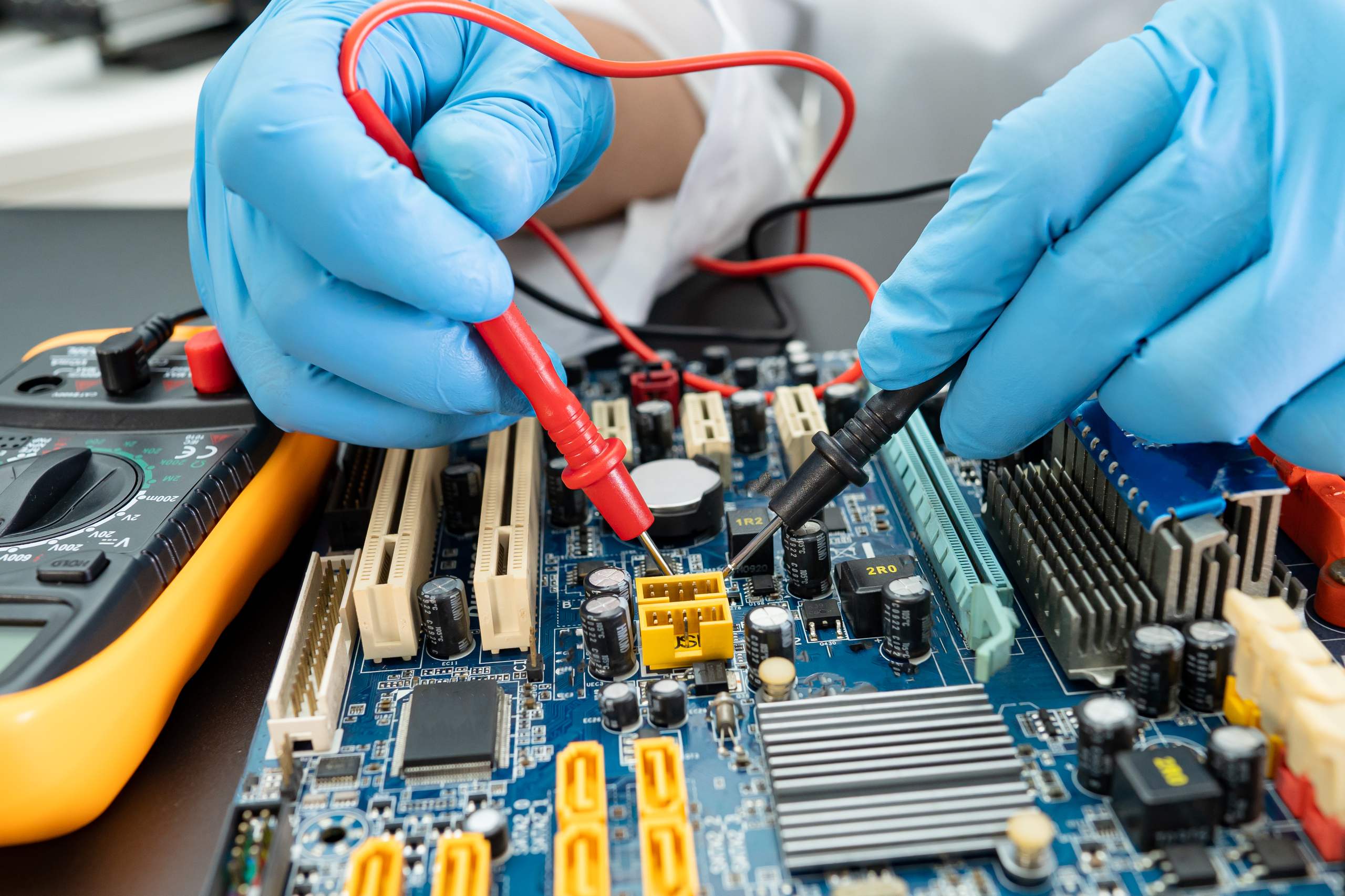
We cannot imagine today’s world without it. We use it to heat and light our houses, run our computers, and power our cars. Yet, despite its universal presence, there’s a good chance many of us don’t actually know what electricity is.
This guide will explain everything you need to know about electricity, simply and clearly.
What Is Electricity, Exactly?
In simple terms, electricity is the movement of electrons through a conductor like a wire. Electrons have energy. When they move, they carry that energy from one place to another, creating what we call an electric current. That current is what we use to power the devices around us.
The Three Key Principles of Electricity
To truly grasp how electricity works, you only need to understand three fundamental properties:
- Voltage
Voltage is the “pressure” or force that pushes electrons through a wire. It’s similar to water pressure in a pipe; the higher the pressure, the faster the water moves. - Current
Current is the actual flow of electrons through a conductor. It measures how many electrons pass a specific point in a circuit at any given moment. - Resistance
Resistance is a measure of how difficult it is for electrons to move through a specific material or device. For example, electrons move easily through copper (low resistance), but they struggle to pass through rubber (high resistance).
A Simple Circuit Explained
To visualize electricity in action, let’s look at a simple circuit.
A basic circuit consists of:
- A voltage source (such as a battery), which pushes the electric charges.
- A conductor, which provides a path for the charges to move.
- A resistive load, which does work using the electrical energy.
As you can see, once the electrical circuit is completed, the electricity flows from the battery to the light bulb and then back to the battery. When the circuit is interrupted, the circuit does not flow because the path to return has been broken.
Why Do We Use Electricity?
Electricity does not only power the lights in our homes or charge our phones. Electricity provides us with the energy we need to build and operate all the technology we use today. It powers the following, among many other things:
- Residential and commercial buildings
- Information technology
- Industrial manufacturing
- Transportation
Without electricity, modern life would be unrecognizable.
Is Electricity Dangerous?
Absolutely! Because electricity provides the energy we need for our modern lifestyle, it is inherently dangerous if not handled correctly.
To avoid accidents and fatalities, you should always:
- Follow safety procedures when working with electrical circuits
- Avoid live wires whenever possible
- Always use appropriate tools and protection equipment
Understanding the fundamentals of electricity will go a long way toward helping you stay safe.
The Takeaway
It may seem difficult to understand electricity, especially in the beginning. In truth, it’s simple. If you now understand what voltage, current, and resistance are, you understand the most fundamental building blocks of electrical engineering.
At ElectroBase, our goal is to help you build up a deep and broad understanding of electrical principles, from the most basic to the most advanced, even if you are starting with zero experience.